Designing the Ideal Custom Fresh Boxes: A Progressive Guide
Designing custom produce boxes calls for a strategic approach. Specialists must consider environmental impact, practicality, and aesthetics. Choosing the suitable components is crucial for maintaining quality and supporting eco-friendly practices. Additionally, dimensions and form can greatly impact ease of use and transport effectiveness. Impactful visual elements strengthen company identity, while detailed assessment guarantees strength. Understanding these elements will reveal key insights into producing standout packaging solutions that resonate to customers. What follows is essential to achieving those objectives.
Picking the Ideal Resources for Custom Produce Boxes
When selecting materials for custom produce boxes, it is essential to evaluate both functionality and sustainability. The selection of material greatly impacts the box's longevity, weight, and ability to protect the contents. Common materials include corrugated cardboard, which offers strength and is reusable, making it a popular choice for eco-conscious businesses. Compostable options, such as molded pulp or plant-based plastics, also comply with sustainable practices while providing adequate protection for delicate produce.
Furthermore, moisture resistance is crucial for preserving quality, prompting some manufacturers to investigate processed substrates or advanced protective layers. The visual attractiveness of the box is important to consider, as packaging design and brand identity can influence consumer perception. Ultimately, the right material should strike a balance between protecting the produce, attracting consumers, and meeting sustainability requirements, ensuring both functionality and sustainability are prioritized in the design process.
How to Pick Size and Shape for Functionality?
When determining the form and dimensions of custom produce boxes, careful assessment of produce measurements is essential for proper storage. Additionally, considerations for handling and transport can affect the box structure, ensuring ease of movement. Maximizing storage space utilization further enhances functionality, allowing for efficient display and storage.
Review Produce Dimensions With Care
Assessing the suitable form and capacity for vegetable boxes is take the first step essential for functionality and efficiency. Accurate assessment of produce dimensions is critical, as it guarantees that items fit snugly without excess space that could produce damage during storage or transport. Custom boxes need to accommodate various shapes, from soft-skinned fruits to bulky vegetables, while maintaining structural integrity. Furthermore, the height and width of the boxes should facilitate stacking and organization, making full use of space in storage areas. A well-designed box not only shields the produce but also strengthens visual appeal for buyers. To sum up, careful consideration of dimensions contributes to reducing waste and improving buyer experience in the supply chain.
Examine Handling and Transport Practices
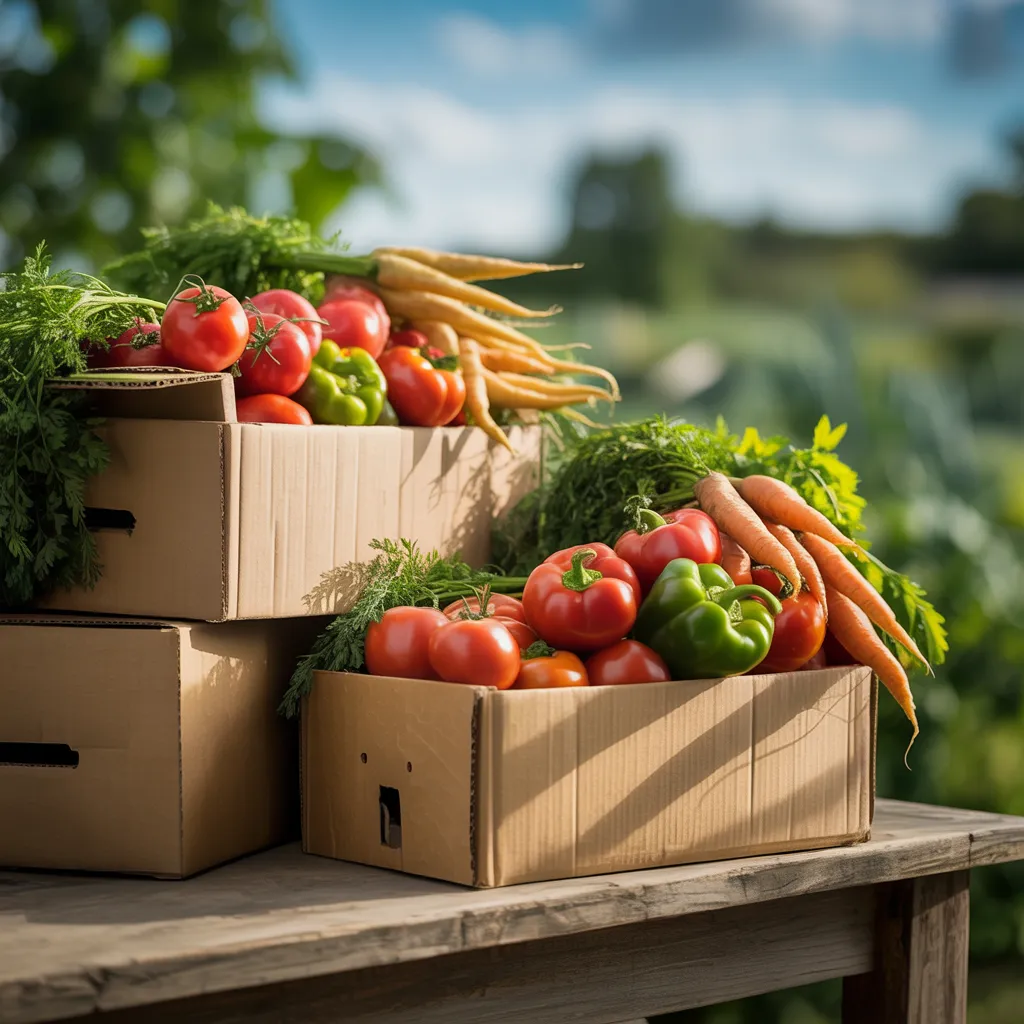
Handling and delivery considerations play a significant role in determining the appropriate dimensions and configuration of custom agricultural boxes. The dimensions need to contain the produce with no excessive space, which could cause movement and damage during transport. Small boxes make simpler management, whereas larger boxes might prove necessary to handle larger items. Also, ergonomic design is important; grip points and openings ought to be strategically placed to allow for easy lifting plus transport. The shape relating to the box also affects arrangement with stability, ensuring that products remain secure. Finally, thorough thought of these components strengthens the efficiency in shipping, decreases product loss, and supports the overall integrity of the produce from field toward buyer.
Maximize Display Space Efficiency
Efficient shelf space usage relies upon selecting the appropriate dimensions and form of tailored produce boxes. Product planners should take into account the dimensions of the storage racks as well as the varieties of fruits and vegetables being stored. Square-sided boxes often maximize spatial utilization, allowing for easier stacking and alignment. Conversely, distinctive forms can enhance aesthetic attractiveness but may result in wasted space if not thoughtfully designed.
It's crucial to evaluate the stock movement metrics; quick-selling products might benefit from smaller, easily accessible boxes. Furthermore, implementing adjustable or modular designs can support varying sizes of produce while optimizing display arrangement. By emphasizing functionality along with aesthetics, companies can create a practical and visually appealing display that enhances both ease of access and item prominence.
How to Produce Images That Seize Attention?
Impactful designs can transform a simple custom produce box into a visual masterpiece that captures regard. To succeed this, designers should start by choosing a color mix that mirrors the freshness and vibrancy of the produce. Bright, eye-catching colors can evoke feelings of freshness and health, compelling consumers to take a extended glance.
Strong typefaces is also essential; readable typefaces can adeptly convey vital details while amplifying design value. Additionally, using excellent images of the produce can establish instant connection, revealing the item's worth and enticing prospective purchasers.
Furthermore, adding unique patterns or illustrations can help distinguish the brand in a competitive market. Consistency in visual components, such as logos and taglines, reinforces brand identity. Ultimately, a blend of innovation and precision in visual design can greatly elevate the effect of custom produce boxes, making them become prominent on shelves.
Sustainable Practices for Custom Produce Box Packaging
A mounting number of firms are adopting eco-friendly standards for custom produce box packaging, appreciating its importance in today's environmentally conscious market. These protocols often incorporate the use of degradable materials, such as recycled paper and plant-based plastics, which minimize environmental impact. Companies are also zeroing in on conscientious sourcing, ensuring that materials are obtained from responsibly managed forests or suppliers who prioritize environmental stewardship.
Furthermore, numerous brands are going with understated designs that reduce waste while still effectively highlighting their products. This approach not only appeals to eco-aware consumers but also assists in reducing production costs. Moreover, businesses are increasingly applying efficient manufacturing processes that limit energy consumption and waste generation. By incorporating these eco-friendly practices, companies not only boost their brand image but also contribute positively to the planet, aligning their operations with a sustainable future.
Testing Your Personalized Produce Box Layout
Evaluating the format of custom produce boxes is a key step in ensuring they fulfill both visual and functional criteria. This approach typically involves examining factors including toughness, size, and usability. First, prototypes must be constructed to assess the container's mechanical strength, verifying it can withstand movement and holding without compromising the contents.
Following this, user testing sessions can be executed to measure how smoothly the boxes can be opened, fastened, and stacked. Comments from prospective users can be invaluable in this phase, delivering understanding of the box's practicality.
Furthermore, the aesthetic quality of the design should be tested through focus groups or surveys, measuring customer responses to brand components, color schemes, and general appearance.
In the end, thorough evaluation permits designers to enhance the box, ensuring it not only appeals to customers but also effectively protects and displays the produce within, achieving the right balance between form and function.
Advertising Your Custom Produce Boxes Effectively
Impactful promotion of personalized vegetable containers demands a well-planned strategy that emphasizes their distinctive advantages and value. Companies must focus on identifying their target audience, such as local farms, grocery stores, or individual consumers. Capitalizing on social media platforms can enhance brand awareness, showcasing the boxes' design and practicality through compelling visuals and storytelling.
Furthermore, working alongside community leaders and farm operators can strengthen reputation and extend market presence. Introducing promotions or discounts during high-demand periods can pull in new customers and stimulate repeat business.
Moreover, stressing sustainability and eco-friendliness in advertising content can appeal to eco-minded customers. Supplying thorough details about the materials used and the positive aspects of personalized packaging options can better position the product in a competitive market.
In the end, a detailed promotional approach that blends internet-based and grassroots undertakings will effectively promote custom produce boxes, appealing to a diverse clientele and increasing sales.
Frequently Requested Questions
What Do the Charges Linked to Custom Produce Box Design?
Expenses involved in custom produce box design cover materials, printing services, labor costs, and shipping. Furthermore, creative design and order minimums can alter total expenses, resulting in fluctuating prices based on exact requirements and production volume.
How much time Does It Take to Produce Custom Boxes?
Crafting custom boxes usually demands two to six weeks. Determinants that shape this timeline comprise intricacy of design, availability of materials, and production capability, each of which can affect delivery schedules and processing times.
Can I Purchase a Small Amount of Custom Produce Boxes?
Yes, modest quantities of made-to-order produce boxes can generally be ordered. Many suppliers deliver minimum order quantities, making it possible for firms or consumers to obtain tailored packaging options without needing to obligate to large quantities to start.
Which Common Errors Need Avoiding in Custom Box Development?
Frequent errors in custom box layout involve overlooking functionality, disregarding brand consistency, underestimating material quality, not considering target audience preferences, and overlooking environmental impact. Each aspect is vital for effective packaging and customer satisfaction.
How Do I Confirm That My Boxes Are Safe for Food?
To ensure boxes maintain food-grade status, individuals must pick compounds certified for food contact, avoid harmful inks and adhesives, maintain cleanliness during production, and regularly test for compliance with health regulations and safety standards.